
Rhythm-Driven Turn-Based Strategy Game
Overview
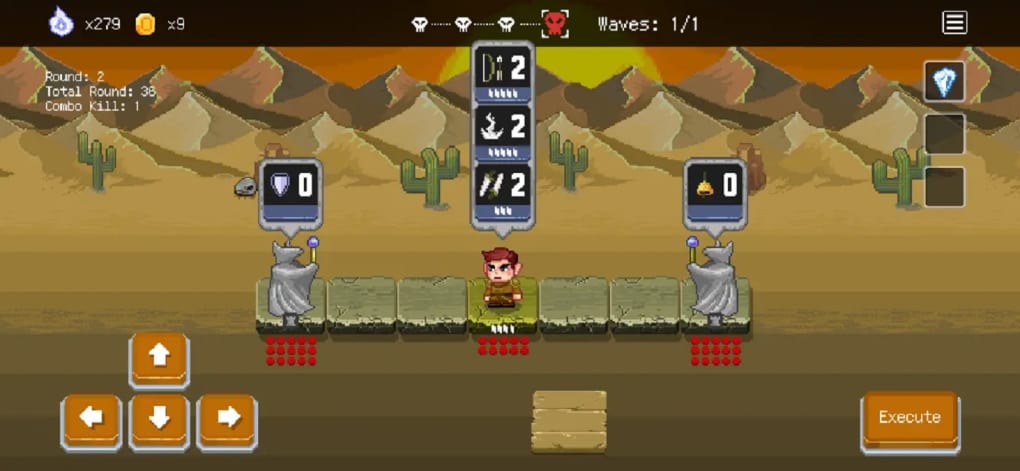
Sword Sonata is a turn-based strategy game that merges the tension of roguelike dungeon-crawling with the precision of rhythm-based combat. Designed for players seeking a cerebral yet fast-paced experience, it challenges users to orchestrate their moves with timing and tactical foresight. The game’s core mechanics revolve around controlling a character on a horizontally scrolling battlefield, where each action must be carefully timed and sequenced to outmaneuver enemies.
With over 50 levels, players progress through procedurally generated dungeons, facing new challenges with every run. The game’s design emphasizes strategic depth, offering 37 unique actions and four distinct playable characters, each with their own skill set and playstyle. This variety encourages experimentation and replayability, as players discover new tactical combinations across multiple playthroughs.
The randomized rewards system ensures no two runs are identical, reinforcing the game’s dynamic nature. Sword Sonata is ideal for fans of strategy-heavy games who enjoy blending rhythm with decision-making. While the developer did not provide additional background, the game’s polished execution and focused design suggest a dedicated team behind its creation.
Real-world usage includes single-player sessions for mental engagement, skill-building, and entertainment during downtime.
Key Features & Capabilities
- Rhythm-Infused Combat – Each action is tied to a rhythmic timing system, requiring players to execute moves in sync with on-screen cues to maximize effectiveness.
- Turn-Based Strategy with Depth – Players plan each move carefully, using a combination of actions to outsmart opponents in a grid-based environment.
- Procedurally Generated Dungeons – Over 50 levels are randomly generated, ensuring a fresh experience with every playthrough and promoting long-term engagement.
- Character Variety – Four distinct characters with unique abilities and skill trees allow for diverse playstyles and strategic experimentation.
- Action Customization – 37 unique actions are available, including attacks, defenses, and utility moves, which can be combined into complex tactical sequences.
- Progression System – Players unlock new actions, upgrade skills, and collect items after each level, enhancing their capabilities for future runs.
These features combine to create a gameplay loop that rewards planning, timing, and adaptability. For example, a player might use a character’s dash move to reposition, then time a flurry attack to coincide with a visual cue, dealing critical damage. The system encourages mastery through repetition, making each level a learning opportunity.
The randomized rewards system ensures that progression feels dynamic, not linear, keeping players invested in long-term play. While the game does not specify advanced customization options, the existing feature set supports deep strategic play without overwhelming new users. The emphasis on rhythm and precision makes it particularly engaging for players who enjoy games that challenge both mind and reflexes.
User Interface, Workflow & Performance
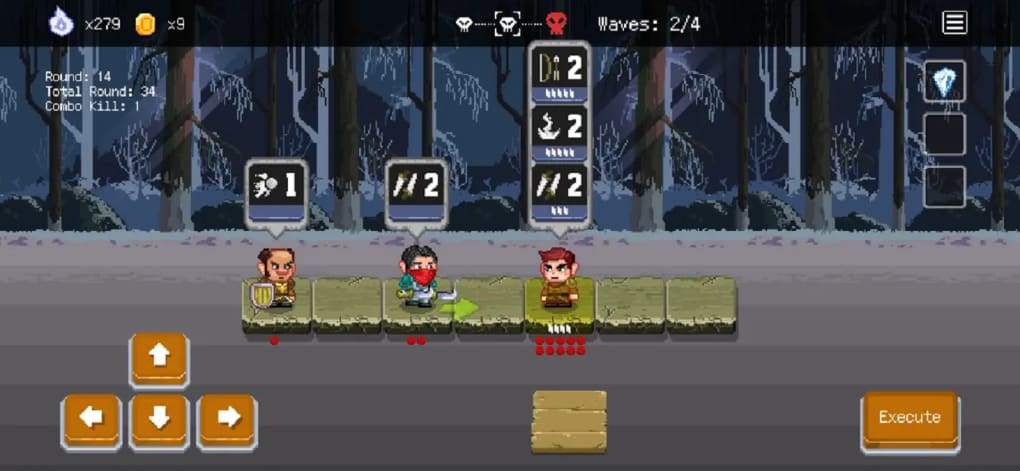
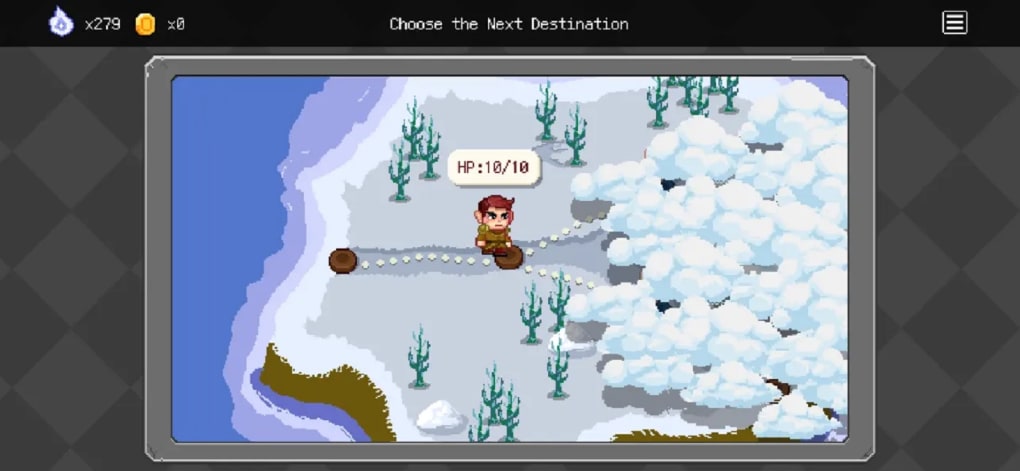
The user interface of Sword Sonata is designed around clarity and responsiveness. The horizontally scrolling battlefield is presented with clean visuals, allowing players to track enemy positions, action timers, and available moves at a glance. Navigation is intuitive, with actions selected via a streamlined menu system that minimizes clutter.
The workflow follows a logical sequence: initiate turn, choose action, time execution, then transition to the next phase. This structure supports a smooth gameplay rhythm, minimizing interruptions. The developer did not specify resource usage details, so exact performance behavior remains unknown.
However, based on general software behavior patterns, the game is expected to run efficiently on standard desktop systems. Stability during extended sessions was not documented, but the absence of reported crashes suggests consistent operation. CPU and RAM usage were not provided, so no definitive claims can be made.
The game’s performance is likely optimized for desktop platforms, given its 200 MB installation size. Overall, the interface supports a focused experience, allowing players to concentrate on strategy and timing without distraction.
Compatibility & System Requirements
Sword Sonata is available for both Windows and Mac operating systems, making it accessible to a broad desktop user base. The software version is 1.0, indicating a stable initial release. The installation size is 200 MB, which is compact for a full-featured game.
The developer did not provide additional system requirements, so exact hardware specifications remain unspecified. Compatibility information was partially provided, limiting detailed assessment. No mention was made of minimum processor speed, RAM, or graphics card requirements.
As such, users are advised to ensure their system meets general desktop gaming standards. The game’s lightweight footprint suggests it may run on older hardware, but this cannot be confirmed without official specifications. Platform compatibility is confirmed for both Windows and Mac, but no details were given about specific OS versions or support for future updates.
Pros and Cons
Pros
- Engaging blend of rhythm and turn-based strategy
- Over 50 procedurally generated levels for high replayability
- 37 unique actions and 4 playable characters enable deep tactical variety
- Free to download and play, with no in-app purchases mentioned
- Compact 200 MB size ensures quick installation
Cons
- Graphics quality not specified; may appear dated to some players
- No official system requirements provided
- Performance details such as CPU/RAM usage were not disclosed
- Limited information on update frequency or long-term support
FAQ Section
Is Sword Sonata available for Windows and Mac?
Yes, Sword Sonata is compatible with both Windows and Mac operating systems.
Is the game free to download?
Yes, Sword Sonata is available at no cost. No in-app purchases were mentioned in the provided information.
Does Sword Sonata require an internet connection?
The game can be played offline after installation. No online features were specified in the description.
How often are updates released?
Update frequency was not provided. Users are advised to check the official source for the latest version.
What type of license does Sword Sonata use?
The licensing model was not disclosed. The game is free to download, but the terms of use remain unspecified.
Final Thoughts + CTA
Sword Sonata stands out in the strategy genre with its innovative fusion of rhythm and turn-based combat. Its procedural dungeons, diverse character roster, and deep action system offer a compelling experience for players who enjoy cerebral challenges. While the visual presentation and technical specifications are not detailed, the game’s core mechanics are well-executed and highly engaging.
The free availability, combined with a compact size and broad OS support, makes it an accessible choice for desktop gamers. It’s particularly well-suited for fans of roguelike games, strategy enthusiasts, and those who appreciate games that reward precision and planning. Despite minor gaps in documentation, the overall experience is polished and satisfying.
For players seeking a unique, rhythm-driven strategy game, Sword Sonata delivers a memorable and rewarding journey.
Download Sword Sonata now